Do I have GERD?
Heartburn twice a week or more, or acid coming back up, can be gastroesophageal reflux disease. Tick your symptoms, then read what to do next.
Quick symptom check
0 of 8Not a diagnosis. It helps you decide whether to talk to a doctor.
Acid going the wrong way
A ring of muscle at the bottom of the esophagus, the lower esophageal sphincter, works like a valve. It opens to let food into the stomach and closes to keep acid in.
- 1When the valve is weak or relaxes at the wrong time, stomach acid flows up into the esophagus. That is reflux.
- 2Reflux now and then is normal. When it happens often, or starts to irritate the esophagus, it is called GERD.
- 3Over time untreated GERD can inflame or damage the lining of the esophagus, which is why frequent symptoms are worth a doctor visit.
Occasional is normal. Often is not.
Mild heartburn now and then is common. See a doctor if symptoms happen two or more times a week, keep coming back, or you have been taking antacids or reflux medicine for more than a few weeks.
!Get medical care right away if you have
- Trouble or pain when swallowing
- Unintended weight loss
- Vomiting blood, or vomit that looks like coffee grounds
- Black or bloody stools
- Chest pain with shortness of breath, sweating, or pain in the arm or jaw. Call 911.
How GERD is treated
Most people start with lifestyle changes and medicine. Some need more. These are the options to ask your doctor about.
- 1Start here
Lifestyle changes
Smaller meals, not lying down for 2 to 3 hours after eating, raising the head of the bed, losing weight, cutting alcohol, caffeine, fatty and spicy foods, and quitting smoking.
- 2If that is not enough
Medicines
Antacids for quick relief. H2 blockers and proton pump inhibitors (PPIs) to reduce stomach acid. Many people need these long term, and long term use has trade-offs your doctor can explain.
- 3When medicine is not enough
Procedures
Options range from endoscopic procedures done through the mouth with no incisions to surgery such as fundoplication. Your gastroenterologist can tell you which fits your case.
A new outpatient option for chronic reflux
Endolastic is developing a minimally invasive, band based endoscopic procedure for chronic acid reflux, done through the mouth with no incisions, in an outpatient setting. It is pending FDA approval and not yet available in the United States.
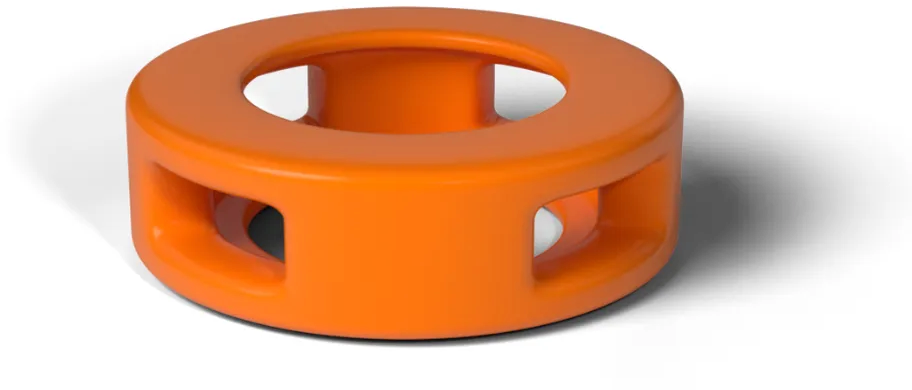 WindowLock™ band by EndolasticLearn more at endolastic.com